A Practical Review of the Acoustic Guitar Embroidery Design
As an embroidery designer sourcing files for real client projects and my own product lines, I approach every download with a critical eye for practical application. The Creative Fabrica Acoustic Guitar design recently caught my attention for a potential custom order, and after careful consideration for real-world use, here is my honest evaluation.
First Impression: A Harmonious Balance of Detail and Style
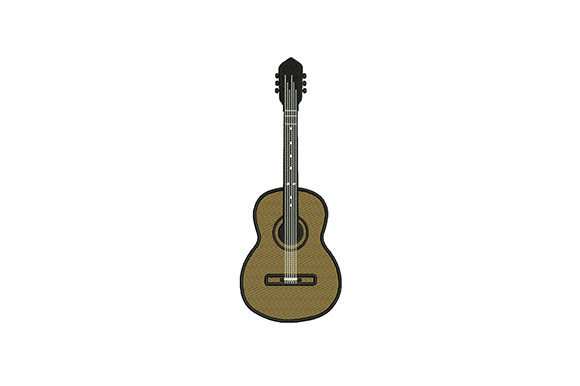
The Acoustic Guitar embroidery file presents itself with a clear, decorative appeal. Its visual mood leans towards classic and elegant rather than overly rustic or cartoonish. The level of detail is well-considered for embroidery—it captures the essential curves and features of the instrument without introducing overly intricate linework that could become problematic on fabric. This stitching personality suggests it’s a design meant to be seen and appreciated, not just a tiny filler motif.
It naturally fits projects where the music theme is central but subtle. You wouldn't use this for a loud, graphic band tee; it's more suited for a thoughtful gift, boutique apparel, or sophisticated home decor. My mind immediately went to a personalized tote bag for a music teacher, a pillow cover for a cozy reading nook, or a subtle detail on the chest of a high-quality sweatshirt.
Project Fit: Where This Design Finds Its Rhythm
In planning its application, I considered a range of real-case scenarios. For custom apparel like sweatshirts or polo shirts, this Acoustic Guitar design offers a strong focal point without being overwhelming. It would work beautifully as a single, centered element. For home decor items such as pillow covers or kitchen towels, it provides that "lovely, musical touch" mentioned in the description, elevating a simple item into a themed gift.
Tote bags and aprons are another excellent canvas, as the design’s size and detail would stand out well on these larger, flat surfaces. For baby items or nursery decor, like a blanket corner, its gentle curves and non-jagged aesthetic feel safe and artistic. Perhaps the most compelling commercial use is creating an embroidered patch. The design’s contained shape and likely satin stitch borders make it a prime candidate for a standalone patch that customers could apply to jackets or bags.
Navigating Practical Embroidery Challenges
Any design’s beauty must translate into stitches without frustration. When reviewing Acoustic Guitar for practical use, several points come to mind.
First, hoop size is crucial. Without specific dimensions listed, I would strongly advise checking the product details on Creative Fabrica for the actual file size before hooping your project. A design too large for a cap’s curved surface or a baby blanket’s limited space would be unusable.
The potential for dense stitch areas, particularly in the body of the guitar where fill stitches might be used, requires attention. On stretchy fabric or lightweight tees, such density can cause puckering or fabric distortion. Using a proper, robust stabilizer is non-negotiable here. Similarly, embroidering on dark fabric demands careful thread color contrast planning; you’d need to select lighter threads so the design doesn’t disappear.
Small details, like possible fret lines or tuning pegs, warrant inspection after a test stitch. On textured fabric like some tote bag materials, very fine running stitches might get lost. The golden rule applies: always test on scrap fabric of the same type you’ll use for the final product. This test reveals the true performance of the embroidery file.
Adding Value to Handmade and Commercial Products
From a business perspective, a design like Acoustic Guitar can significantly affect product value and buyer trust. For an Etsy seller or craft fair vendor, using a well-executed, aesthetically pleasing design enhances the handmade presentation. It shows careful curation of design assets, not just random selection.
This design lends itself to giftability. A kitchen towel embroidered with it feels like a thoughtful present for a musician. A tote bag becomes a themed, specialty item rather than a generic one. For product photography and printable mockups, the design’s clean lines and recognizable shape create an engaging visual that helps customers immediately understand the product’s appeal.
For brand consistency, a boutique focusing on music, arts, or cozy cottage themes could use this Acoustic Guitar across a line—on aprons, towels, and pillows—to create a cohesive collection. It supports storytelling in your shop, which builds customer engagement.
Essential Pre-Stitch Checklist for Professionals
Before committing this design to a customer order or your production line, a few final steps are imperative.
- Download and open the file in your embroidery software to preview the stitch sequence and identify any potential dense fill areas.
- Confirm the hoop size required against the hoop you plan to use for your specific project (e.g., cap hoop, standard 4x4, larger hoop for bags).
- Plan your thread colors. Consider creating both light and dark fabric mockups digitally to visualize the final look.
- Review the stitch density in your software preview. Adjust stabilizer choice accordingly—more density often requires stronger stabilization.
- After your test stitch, inspect small details closely to ensure they are clear and not bogged down by thread buildup.
- Most importantly, confirm file details and licensing on the Creative Fabrica product page before selling finished items. Understanding the license terms for commercial use is a fundamental part of using digital embroidery files professionally.
Final Thoughts: Is This Design Worth Your Thread?
The Creative Fabrica Acoustic Guitar embroidery design holds strong potential for a variety of commercial and handmade projects. Its aesthetic is versatile and appealing, fitting scenarios from personalized gifts to boutique merchandise. However, its true worth is determined by your specific application and due diligence.
For projects on stable fabrics like pillow covers or tote bags, and with careful testing regarding size and density, this design can become a valuable asset. It can elevate your product’s visual appeal and marketability. For projects on challenging surfaces like caps or very stretchy fabrics, a thorough test stitch is absolutely essential to avoid disappointment.
In essence, this is a design that rewards a professional, prepared approach. It’s not a simple, throw-it-on-anything file; it’s a design that, when matched with the right project and proper embroidery technique, can produce stunning, high-value finished products. It embodies the creative potential described—a beautiful, musical touch waiting for your needle to bring it to life.