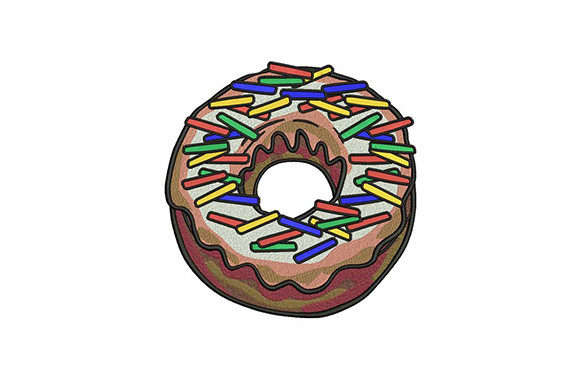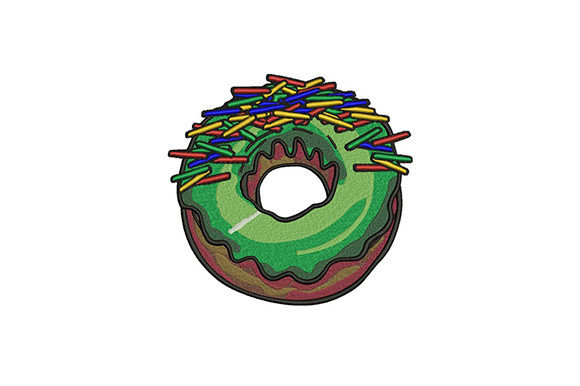
Candy: A Sweet Embroidery Design for Boutique Apparel
When a boutique brand approached me to develop a limited sweatshirt collection, they wanted something playful, premium, and distinctly memorable. Among the design candidates, Candy immediately stood out. It’s not just a dessert-themed embroidery file; it’s a potential cornerstone for a cohesive brand story. Let’s walk through my professional evaluation of this machine embroidery design for real-world application on a premium sweatshirt drop.
First Impression: Mood & Layout
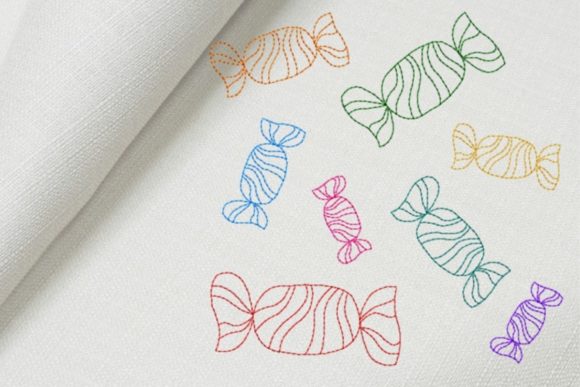
The title Candy suggests a sweet, joyful, and likely feminine or playful aesthetic. My first thought is about the mood it will convey on a garment. For a small shop product, this isn’t merely a graphic; it’s the emotional hook. I imagine a design that feels cute and decorative, possibly with a whimsical layout that isn’t overly minimalist. The description hints at versatility—"outfits, pajamas, home decor"—so the detail level should be balanced: intricate enough to feel special, but not so dense that it becomes cost-prohibitive or loses readability on fabric texture.
The stitching personality is crucial. Does it look handcrafted and artisanal, or clean and digital? For a boutique brand targeting creative customers, a design that feels like a handmade product, even when executed by machine, adds immense value. The finished embroidered product should have a tactile, premium quality that photographs beautifully for Etsy listings and lifestyle product photography.
Application on Boutique Sweatshirts & Hoodies
This is where Candy gets tested. A design must perform visually and technically on the garment.
Placement & Visual Impact
For an oversized hoodie or a classic crewneck sweatshirt, the chest placement is my default. Candy needs to be strong enough to act as a focal point without overwhelming the garment. On a neutral sweatshirt—beige, oatmeal, grey—it would pop beautifully, offering that perfect contrast for a cozy, seasonal look. On dark fabric like charcoal or black, the thread color contrast becomes paramount; we’d likely choose bright, sweet-inspired hues to make the design sing. On pastel sweatshirts, it could create a softer, more tonal, elegant effect.
As a hoodie design, it could also work as a smaller sleeve accent or even a larger-scale back design for a statement piece. The layout must adapt to these placements without strange cropping. This adaptability directly affects customer engagement; offering multiple placement options in a collection can boost sales.
Boutique Merchandise & Brand Identity
For a small clothing brand, every design choice builds brand identity. Candy, as part of a dessert-themed or simply playful collection, creates clear visual recognition. It tells a story: the brand is fun, quality-focused, and detail-oriented. This isn’t just custom apparel; it’s branded merchandise that feels intentional. Using it across a limited drop—on sweatshirts, perhaps matching beanies or bags—creates a cohesive line that looks professional in mockup previews and builds buyer trust.
Practical Designer Concerns for Commercial Use
Moving from concept to production involves technical scrutiny. Here’s my checklist for Candy as a commercial embroidery file.
Technical Execution & Durability
The stitch density is a silent hero or villain. Too low, and the design looks sparse on thick sweatshirt fabric. Too high, and it can pucker or feel stiff, compromising the softness of a premium hoodie. We’d need to test on similar fabric weights. Stabilizer choice is equally critical for a clean finish on knit fabrics.
Small-size readability matters if we consider sleeve accents or smaller products. Does the design maintain its character when scaled down? The elements must be clear and not merge into a blur of thread.
Hoop placement and overall size relative to standard hoop sizes will determine production efficiency. I always remind fellow embroidery shops and digital sellers: before production, verify the exact hoop size requirements and file formats included in the digital embroidery file package. This prevents costly mistakes.
Longevity & Product Value
Washing durability is a cornerstone of product value. A well-digitized design with proper underlay and stitch structure will withstand washes, keeping the sweatshirt looking new. This durability is a silent mark of quality that customers appreciate, enhancing the handmade presentation as a durable, loved item, not a fragile decoration.
Is Candy strong enough for commercial apparel use? From the description’s emphasis on versatility, I infer it’s designed for robustness. However, a real test stitch on a scrap of sweatshirt material is non-negotiable for any boutique brand launching a paid collection.
Enhancing the Creative Business
For Etsy sellers, apparel decorators, and creative entrepreneurs, a design like Candy is more than an asset; it’s a business tool.
- Product Photography & Mockups: The finished product with this embroidery becomes instantly photogenic. It lends itself to lifestyle shots—someone holding a mug, the sweater draped on a chair—which sell the story better than flat shots. Using printable mockups or creating real samples is key.
- Custom Apparel Branding: It can be customized. Could thread colors be altered to match seasonal palettes? This flexibility allows a small shop to offer limited editions without new digitizing costs.
- Visual Recognition: In a crowded market, a distinct, well-executed embroidery design helps a brand stand out. Candy becomes a recognizable signature.
Ultimately, the success of Candy on a boutique sweatshirt hinges on its fusion of aesthetic charm and technical solidity. It must look deliciously appealing and stitch flawlessly. For the brand I’m consulting, it presents a compelling opportunity to create a sweet, cozy, and premium collection that resonates deeply with their audience. The final step, as always, is to stitch it out, see it live on fabric, and let that tactile reality guide the launch. That’s where a great machine embroidery design truly proves its worth.