Colored Butterfly: A Designer’s Review for Practical Projects
Let’s cut straight to the chase. When a design file named Colored Butterfly lands in my library, my first question isn’t about its beauty—it’s about its utility. Can this embroidery file turn a plain item into a product that feels special? Does it stitch out cleanly on the fabrics I actually use? And will it resonate with the customers and clients I’m designing for? Here’s my practical take.
The First Impression: More Than Just a Bug
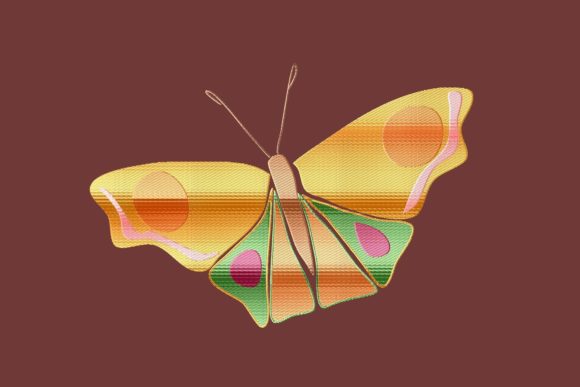
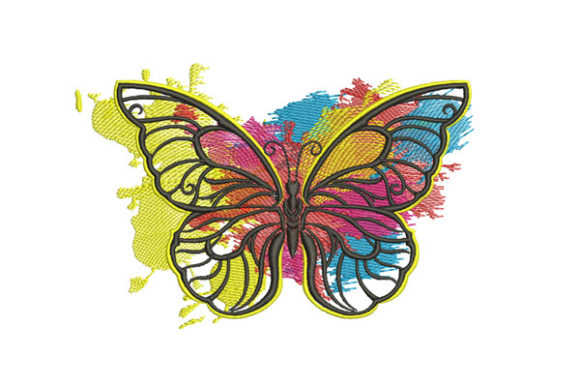
Opening the preview, the immediate mood is playful elegance. It’s not a hyper-realistic insect study; it’s a decorative accent. The name, Colored Butterfly, tells you exactly what you’re getting: a design built for color. The layout feels balanced, with a personality that’s friendly and uplifting. This isn’t a design for a technical jacket or corporate logo; it naturally belongs on items meant to bring a smile—a child’s blanket, a bright kitchen towel, a personalized gift bag. The detail level suggests it will rely on fill stitches and likely some satin stitch outlines to create that splendid, colorful effect.
Where This Butterfly Really Takes Flight
In my workshop, I think through real projects. Picture a custom tote bag for a spring market. The Colored Butterfly, stitched in vibrant threads on a natural canvas bag, would be a standout. It’s the kind of detail that makes a simple bag feel like a boutique product. For an Etsy seller creating baby items, this design on the corner of a muslin blanket or a little sweatshirt adds that handmade touch parents look for. As a holiday or wedding gift, embroidered onto a linen pillow cover or a set of tea towels, it becomes a lasting keepsake.
For small business owners, this design works as a consistent accent across a line of merchandise—think aprons, caps, and simple apparel. Its theme is universally appealing, avoiding niche trends that date quickly. In a craft fair setting, items featuring this butterfly would catch the eye quickly, its color promising a cheerful product. Even for digital product sellers creating printable mockups, a clean, colorful embroidery file like this is a strong visual asset for previews.
Commercial Projects & Customer Perception
Using a design like this on commercial embroidery projects, say for a local boutique’s branded tote bags, adds perceived value. The visual appeal is direct and positive. A well-stitched butterfly on a clean garment speaks to craftsmanship, building customer trust in the product’s quality. For personalized gifts, it enhances the giftability factor—it feels thoughtful and crafted, not mass-produced. This consistency in execution, if done well, supports a professional brand image for any maker or decorator.
The Careful Considerations: Fabric & Context
Now, the realistic part. While the description says it can be stitched onto “anything else,” my experience dictates caution. Designs with likely dense color fills need thoughtful application.
On very small hoop sizes, the details might lose clarity. On stretchy fabric like lightweight t-shirts without proper stabilizer, it could puckering. On dark fabric, those intended colorful areas will need high-contrast, bright threads to truly pop—a test on scrap fabric is essential. Stitching onto curved surfaces like caps requires checking the design’s orientation and density to ensure it lies flat.
Layered garments or items that need frequent washing, like baby clothes or kitchen linens, demand a robust stitch execution and durable threads. The design should be inspected for any extremely tiny details or corners that might be challenging on textured fabrics. It’s not a limitation of the design itself, but a reminder that successful embroidery is about pairing the right machine embroidery design with the right material and technique.
Practical Designer Notes Before You Hoop
Before you commit this butterfly to a client’s project or your next batch of merchandise, run through this checklist:
- Test on Scrap: Use the same fabric and stabilizer you plan for the final product. Check for thread color contrast, especially if moving from a light to dark background.
- Review Stitch Density: Look at the preview closely. Are there areas that seem overly dense? This can affect the hand on thin fabrics.
- Confirm the Hoop Size: The description doesn’t specify, so you must check the file details. Match the design size to your project scale.
- Inspect Small Details: Ensure any fine lines or separations between colors will stitch out clearly on your chosen fabric texture.
- Visualize in Context: Test the design in simple black and white mockups to see its form, and compare how it might look on light versus dark backgrounds digitally.
- Use Proper Stabilizer: This is non-negotiable for a clean finish on most apparel and home decor items.
- Check Licensing: The product description does not mention licensing terms. Before selling finished items or using it in commercial embroidery, you must confirm the license for this digital embroidery file. This is crucial for craft businesses and Etsy sellers.
Final Thoughts on Fit and Finish
The Colored Butterfly design, from the Bugs category, is ultimately a versatile embroidery asset. Its strength is in its cheerful, decorative nature. It’s not the most complex design, which for many projects is a benefit—it will stitch out relatively quickly and reliably. For handmade shops and creative entrepreneurs, it offers a ready-made element to elevate a simple product into something with a custom, personalized feel.
When I consider adding it to my own project roster, I see it fitting perfectly on a spring-themed apron, a nursery pillow cover, or a set of tote bags for a local market. Its success will depend entirely on the careful, professional application we’ve discussed. Choose your fabrics wisely, prepare your hoop and stabilizer correctly, and select thread colors that make it sing. Then, this splendid butterfly will indeed add that stunningly beautiful accent, turning your embroidery project into a finished product that feels both lovely and thoughtfully made.