Reviewing the Bear Snap Tabs Embroidery Design
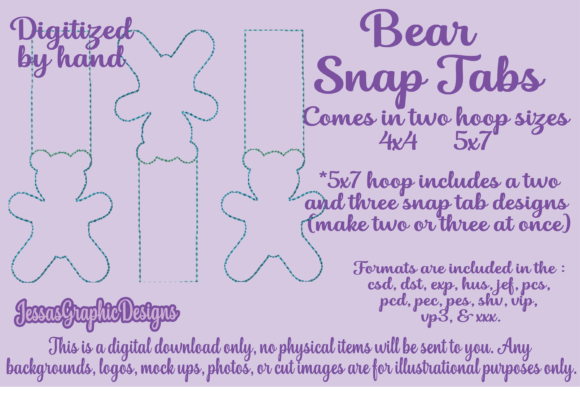
When a new embroidery file lands in my library, my first thought isn’t just about how cute it is. I’m thinking about how it will perform in the hoop, what kind of product it will elevate, and whether it’s a dependable asset for my craft business or client work. Today, I’m looking at the Bear Snap Tabs in the Hoop design, a woodland animals embroidery piece, and judging it from that practical, in-the-trenches perspective.
The Immediate Charm and Where It Belongs
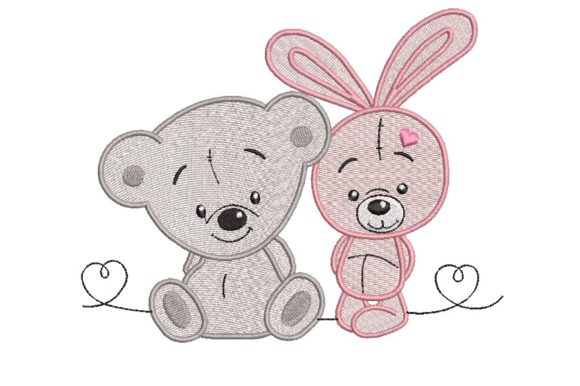
This design has a friendly, approachable personality. It’s not overly detailed or fierce, but rather has that gentle, classic bear illustration feel that creates a mood of warmth and nostalgia. That visual personality makes it a natural fit for projects meant to comfort, gift, or decorate everyday life. I immediately picture it on a child’s tote bag, a cozy fleece blanket, or the corner of a linen pillow cover in a cabin-themed room. It’s the kind of motif that doesn’t shout; it simply adds a layer of handmade charm.
A Scenario: Crafting a Boutique Baby Gift Set
Let’s walk through a real case. Imagine I’m preparing a custom gift for a new baby—perhaps a set including a burp cloth, a small bib, and a soft cotton hat for a local boutique. I want the designs to be sweet, durable, and visually coherent. This bear design, with its rounded forms and likely balanced stitch layout, comes to mind. Stitched in a soft brown and cream thread palette on natural cotton, it would become a gentle focal point. The snap tabs element suggests a playful, functional detail I’d want to examine in the actual embroidery file to see if it’s integrated as an applique design or clever satin stitch work. The success here hinges on the design’s clarity and stitch density being appropriate for smaller, often-washed baby items.
Performance Across Real Projects
For an embroidery designer, a file’s true value is tested across the spectrum of possible applications. For Bear Snap Tabs in the Hoop, I consider its potential.
On custom apparel like sweatshirts or t-shirts, this bear could be a great centerpiece or a smaller accent near a pocket. Its woodland theme lends itself to autumn or casual wear. As an embroidered patch, it could be fantastic, provided the design has clean edges and good fill stitch areas that will pop when applied to a backpack or jacket.
For home decor—pillow covers, kitchen towels, or blankets—it adds that handmade touch that Etsy sellers and small shop owners look for. It could anchor a whole product line of woodland-themed nursery decor. In a holiday gift context, stitched onto a tea towel or apron, it feels personal and timeless rather than seasonally limited.
The design also holds value as a digital product asset for other makers. If the licensing permits, using it in printable mockups for branding or as part of a larger digital embroidery collection could be a smart commercial move. But that requires a thorough check of the license terms before any sale of finished items or the file itself.
Where to Exercise Caution
Even a lovely design has its limits, and knowing them saves time and thread. Based on the typical structure of such motifs, I would be cautious with Bear Snap Tabs in the Hoop in a few scenarios.
- Very small hoop sizes: If the design has intricate details within the snap tabs or the bear’s features, shrinking it too much might lose clarity, turning fine lines into muddy blobs.
- Highly textured or stretchy fabrics: Without the right stabilizer, the design’s shape could distort on fabrics like thick knits or loose weaves.
- Dark fabric backgrounds: This is a universal consideration. The chosen thread colors need to have enough contrast to make the bear stand out. A test on scrap fabric is essential.
- Curved surfaces like caps: The design’s likely rectangular or square layout with snap tabs might not adapt seamlessly to a curved baseball cap seam without careful positioning.
- Products requiring frequent heavy washing: If the stitch density is very high, it could create a stiff, uncomfortable patch on an item like a work apron that gets washed aggressively. A moderate density is better for durability.
It’s All About the Finished Product’s Appeal
How a design stitches out directly impacts customer trust and your brand’s professionalism. A clean, well-stitched bear with no thread breaks or misaligned elements looks deliberate and skilled. It increases the perceived value of a handmade product. For a gift, it feels more thoughtful. For a small business merchandise item, it reinforces consistency and quality. That engagement—a customer smiling at the cute bear on their new tote bag—is the ultimate goal. This design, if it stitches well, has that giftable, engaging quality.
Practical Notes Before You Hoop It
Before I commit to using this for a client order or my own craft fair inventory, my process involves a few key steps. I recommend the same to any embroidery designer or creative entrepreneur.
- Always test the design on scrap fabric first, using the same material and stabilizer you plan for the final project.
- Check the thread color contrast against both light and dark backgrounds. Sometimes a design needs a slight color adjustment to pop.
- Review the stitch density in the preview. Very dense areas can be tough on thin fabrics.
- Confirm the hoop size requirement and ensure your machine can handle it. The product description mentions it’s made in the hoop, so the intended size is crucial.
- Inspect any small details, like tiny lines or the snap tab mechanics, to ensure they’ll stitch cleanly.
- Run a mental check: Is this for a personal project or a commercial embroidery product? Verify the license.
- Consider creating a black and white mockup to see how the design reads as pure shape, which helps judge its versatility.
While the product description highlights it as fun and hassle-free, my experience says that a little upfront diligence makes any embroidery project truly hassle-free. The Bear Snap Tabs in the Hoop design, with its woodland charm, has the potential to be a reliable, appealing file in your embroidery project rotation. Its success will come from pairing its friendly visual personality with the right fabric, the right product, and the careful preparation that turns any digital embroidery file into a beautiful finished product.