Bag in the Hoop: A Designer Review for Business Merchandise
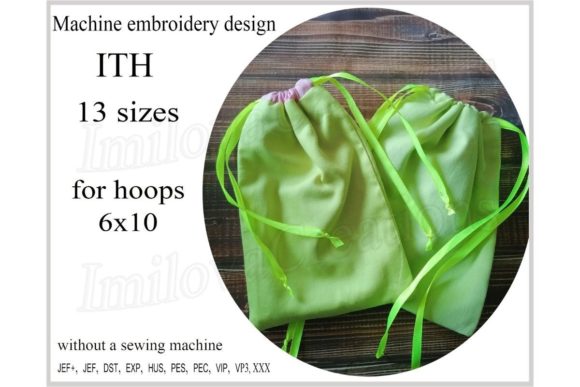
When a small business approaches me to create branded merchandise, the design’s core purpose is paramount. It’s not just decoration; it’s a tangible piece of their brand identity. The product titled Bag in the Hoop immediately presents an intriguing concept from that professional perspective. The description suggesting a clean, lined interior hints at a thoughtful, finished construction. For a café, boutique, or creative studio, this implies a design that could convey care and craftsmanship, aligning well with a handmade or premium brand aesthetic.
The Visual Personality for Brand Impact
From the title alone, Bag in the Hoop feels playful, friendly, and inherently functional. This isn’t an abstract logo; it’s a recognizable object. For business use, this can be a powerful tool. A small florist could use it on aprons to subtly reinforce their craft. A pet brand might find it charming on tote bags sold as customer gifts. The “cute design” descriptor suggests an approachable, perhaps slightly rustic or handmade feel, which can build tremendous customer trust and engagement for businesses selling artisan products.
However, its professionalism depends entirely on execution. A clean, covered lining in the embroidery file suggests attention to detail—a critical factor for uniforms, product packaging accents, and event merch where a sloppy finish can undermine perceived product value. This design has the potential to bridge playful and premium, making it versatile for Etsy branding, boutique merchandise, and even staff apparel in a modern, creative studio.
Real-World Application for Small Business Merch
Evaluating Bag in the Hoop for real commercial embroidery projects requires thinking through specific applications. Its success as an embroidered patch, for instance, hinges on how it scales. A small patch for a cap front or a sleeve detail needs clear, bold outlines. If the design has intricate internal details or tiny lettering, it might lose definition at smaller sizes, a common pitfall for cap embroidery.
For apparel decorators and merch creators, tote bag designs are a primary use. The described clean finish is ideal here, as tote bags are often customer-facing and need a polished look. Similarly, for apron embroidery in a bakery or café, the design must withstand frequent washing and maintain visual consistency on textured fabric. High stitch density in the wrong areas could lead to stiffness or wear, so testing on real fabric with proper stabilizer is non-optional.
Where to Use With Confidence
- Chest Logo Accents or Sleeve Details: On polo shirts or work shirts for a cohesive team look.
- Tote Bag Marks: As a standalone brand mark on customer merchandise.
- Apron Design: For a handmade shop or café, adding a branded touch to staff uniforms.
- Product Labels & Packaging Accents: Sewn onto branded pouches or tags as a handmade presentation boost.
Where to Exercise Caution
- Very Small Patch Sizes: Always test the embroidery file at the intended small size first.
- Curved Surfaces Like Cap Fronts: Detail loss can occur; a simplified version might be needed.
- Dark Uniform Fabrics: Thread color contrast is crucial; test it in black and white on dark material.
- Items Subject to Heavy Wear: Assess stitch density and reinforcement for longevity.
Integrating into Your Brand Ecosystem
For product designers and craft business owners, a new design asset like Bag in the Hoop must fit within an existing visual system. Before production, create a printable mockup and compare it beside your other design assets. Does it complement your logo? Does it feel too decorative versus functional? Its success hinges on enhancing brand recognition without clashing. For a digital embroidery file buyer, this step is vital for client approval and ensuring the finished product aligns with the broader brand identity.
The design’s category as an Accessories item and Embroidery type reinforces its utility. It’s meant to be applied, not just viewed. This makes it a potent tool for custom apparel and small business merch that needs to feel special and tactile.
Practical Notes for the Embroidery Designer
Before running this machine embroidery design for any commercial embroidery project, a disciplined review is essential. I recommend a standard protocol:
- Confirm Commercial Licensing: Always verify the license terms for the digital embroidery file before any business use. This is a fundamental, often overlooked step.
- Hoop Size & Stabilizer Match: The description doesn’t specify a hoop size. Check the file details and match the recommended stabilizer to your target fabric texture.
- Test at the Smallest intended Size: Embroider a sample as a small patch. Inspect spacing and clarity.
- Review Thread Color Contrast: Run tests on both light and dark fabrics to ensure the design reads well.
- Create a Physical Mockup for Client Approval: Stitch it on a scrap of the actual fabric used for the final product—whether for uniforms, tote bags, or caps.
Bag in the Hoop, with its promise of a clean, covered finish, offers a solid foundation for branded applications. Its inherent charm can translate into customer engagement and elevated product value for a wide range of businesses. But its true worth for embroidered patches, cap embroidery, and other merchandise is unlocked only through rigorous, professional testing and integration into a thoughtful brand strategy. As an embroidery designer working with small businesses, my final advice is to treat every new design file not as a pattern, but as a potential brand ambassador. Evaluate it with that gravity, and Bag in the Hoop will likely prove to be a versatile and valuable asset.