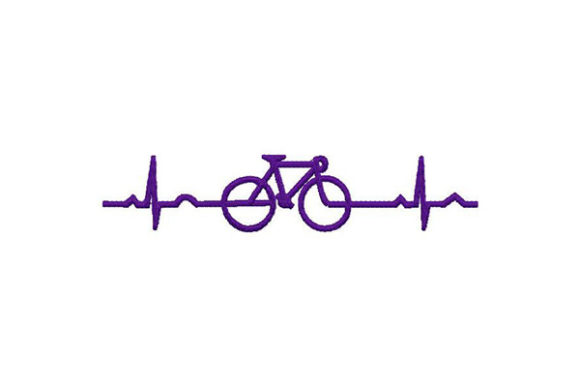
Pulse on a Bike: An Embroidery Designer’s Craft Fair Review
As an embroidery designer preparing for a weekend craft fair, my first task is to sift through my digital library and choose which designs will become physical products on my booth table. When I look at Pulse on a Bike, the immediate impression is one of modern, active elegance. The title suggests movement and vitality, not a rustic or overly cute feel. This isn’t a farmhouse design; it’s contemporary, with a potential for sleek, premium appeal. For sellers targeting customers who appreciate clean lines and a touch of sophistication in their hobbies and lifestyle, this machine embroidery design holds real promise.
Where Pulse on a Bike Stands Out on the Booth Table
Visual hierarchy at a craft fair is everything. Customers glance quickly, so a design must be instantly understandable and attractive. Pulse on a Bike likely has a strong central motif—the bike—with a sense of rhythm or “pulse” in its detailing. This makes it a fantastic focal design, not just a small accent. On a crowded table of handmade products, it will draw eyes because it’s distinctive. It wouldn’t compete with floral or funny quote designs; it occupies its own niche.
I envision it shining on specific items. On a high-quality canvas tote bag, it becomes a statement piece for an active, stylish buyer. Embroidered on the corner of a linen tea towel, it elevates a simple kitchen item into a modern gift. Stitched onto a cotton apron, it appeals to the home chef who values design as much as function. As a standalone embroidered patch, it would attract crafters looking for unique embellishments for their own projects. For pillow covers or fabric pouches, it brings a graphic, decorative element that feels intentional and fresh.
Photographing Pulse on a Bike for Online Sales
For Etsy sellers and digital sellers using printable mockups or real photos, this design’s clarity is crucial. Designs with clear outlines and balanced composition photograph well. Assuming Pulse on a Bike has good definition, it should look sharp in online listings, making the finished product look valuable. It’s important to shoot it on contrasting fabrics—a light design on a dark bag, or a dark design on a light towel—to maximize visual pop in the thumbnail image.
Practical Production: From Digital File to Handmade Product
Turning a digital embroidery file into a batch of craft fair products requires practical thinking. The description notes it comes in multiple embroidery file formats, which is essential for compatibility across different machines. Before any production, I must always test the design on scrap fabric identical to my final product fabric. This reveals how it handles fabric texture—like the nubs of a tea towel or the smooth weave of a tote.
Stitch density is a key check. Highly dense designs can be stiff on lightweight fabrics and require more time and thread. I’ll run a test to see if the bike motif has areas that are too dense, which might affect the drape of a bag or the comfort of a cap. Small lettering or tiny details, if present, can lose clarity on textured surfaces or at smaller hoop sizes. The ideal hoop size needs to be confirmed; a design this thematic likely works best at a medium size, providing impact without overwhelming smaller items like small pouches.
Using the correct stabilizer is non-negotiable, especially for items like caps with curved surfaces or bags that will bear weight. Poor stabilization here would ruin the design’s crispness in person. For batch production, I assess if the design feels repeatable. Does it use a manageable number of thread colors? Colors that are easy to rethread and coordinate speed up production for a fair. A complex color palette might make it a showcase item, but less viable for making fifty units.
Careful-Use Notes for Specific Products
- On Dark Fabric: Check thread contrast. Light threads on dark fabrics often need an extra layer of stabilizer to prevent puckering and ensure brightness.
- On Textured Towels: If the design has fine lines, they might break on terry cloth or linen. A slightly larger stitch version would be safer.
- On Caps: Curved surfaces demand careful hooping and possibly a specialized cap stabilizer. Evaluate if the design’s shape conforms well to the curve.
- As a Patch: If selling standalone patches, stitch density must be high enough to be robust, but not so high it makes the patch overly stiff.
Boosting Customer Engagement and Product Value
A design like Pulse on a Bike directly affects perceived value. Its modern, graphic nature feels designed, not generic. This enhances the handmade quality story—it looks like something a customer couldn’t find in a mass-market store. In the booth, I would place it on premium materials: a sturdy organic canvas tote, a high-quality linen apron. This pairing reinforces a premium feel and justifies a higher price point.
For brand consistency, if my shop leans toward active, modern, or lifestyle-oriented themes, this design becomes a cornerstone. It can anchor a section of my booth, creating a cohesive collection with similar color palettes or product types. Engaging buyers is easier when the design sparks a conversation. “Pulse on a Bike” might resonate with cyclists, fitness enthusiasts, or simply those who love dynamic art. Having a real, physical booth sample to show—where customers can touch the embroidery and see the thread work—is the best way to convert that interest into a sale.
The Final Step Before the Fair: The Designer’s Checklist
- Create at least one real mockup on the intended final product (e.g., the tote bag). This is your true quality control.
- Compare fabric colors. Test the design on the lightest and darkest fabric you plan to use to ensure readability.
- Review spacing. Ensure the design sits correctly on the product—centered on a bag, positioned well on an apron pocket.
- Inspect stitch density on the final fabric. Does it feel good, or is it too stiff for the item’s purpose?
- Confirm commercial licensing. The description states it can be used in multiple emb, but I must verify the license explicitly allows for selling commercial embroidery products at craft fairs or in my small shop. Never assume.
Ultimately, Pulse on a Bike strikes me as a design with strong craft fair potential. Its modern mood sets it apart, its graphic nature gives it visual impact on the booth table, and its applicability to a range of products—from totes to tea towels—offers flexibility in my inventory. By focusing on quality production, thoughtful product pairing, and clear presentation, this embroidery design can become a standout, profitable piece in my lineup of handmade gifts and craft fair products. The pulse, in this case, could very well be the heartbeat of a successful sales weekend.