Silhouette of a Ship: A Classic Design for Coastal Craftsmanship
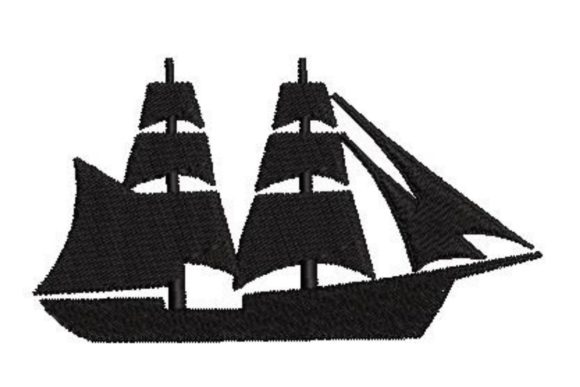
When I first opened Silhouette of a Ship, I immediately appreciated its clean, straightforward charm. It's not an overly detailed maritime scene; it's a simple, elegant outline that speaks to a relaxed, summer-by-the-water mood. This kind of design has a universal appeal—it feels nostalgic, peaceful, and effortlessly stylish. As someone who regularly selects embroidery files for client projects and my own small shop products, I look for designs that carry a clear visual personality without being fussy. This one fits that bill perfectly.
Where This Design Naturally Sails Into Your Projects
The suggested beach category is a great starting point, but the utility of Silhouette of a Ship goes much wider. Its strength is in its versatility. I recently used it to create a set of custom embroidered tote bags for a client’s beach-themed boutique. Stitched in a deep navy on a natural canvas bag, the design looked crisp and professional, elevating a simple tote into a desirable, giftable item. The lack of intricate internal detail means it translates beautifully across different applications.
Think about sweatshirts and t-shirts for a relaxed, coastal lifestyle brand. Imagine it on a baby’s romper or a nursery pillow cover for a subtle, nautical touch. It’s an ideal candidate for an embroidered patch, which could then be applied to caps, aprons, or backpacks. For small business owners, especially Etsy sellers and craft fair vendors, this design can anchor a whole line of summer merchandise: tea towels, pillow covers, and kitchen linens. It’s also a fantastic choice for personalized gifts, like a monogrammed beach towel or a wedding gift for a couple who loves sailing.
The Practical Stitching Considerations
From an embroidery machine perspective, a clean silhouette like this is generally a joy to run. However, its performance hinges entirely on execution. The outline is likely done with a satin stitch or a running stitch, and the stability of that line is what defines the final product's quality.
Fabrics and Hoops: Getting the Foundation Right
On stable, medium-weight fabrics like cotton twill (for tote bags), denim, or standard quilt cotton, this design should stitch out cleanly. I’d recommend testing it on scrap fabric first to gauge the ideal hoop size and stitch density. Pay close attention to any very small, sharp corners in the ship’s outline—these are areas where thread buildup or slight misalignment can occur.
Be more cautious with stretchy fabrics like thin t-shirts or with textured fabrics like terrycloth (for beach towels). Here, a robust stabilizer is non-negotiable. On dark fabrics, the visual impact is superb, but you must ensure your thread color has enough contrast and pop. I often test a design in both light and dark black and white mockups digitally before committing to thread.
A potential challenge is applying it to curved surfaces like the front of a cap. The design's relatively straight lines might need slight adjustment in placement to look natural on the curve. Also, if you’re considering very small hoop sizes for tiny items, ensure the design’s scale doesn’t compromise the clarity of the ship's shape.
Why This Design Adds Value to Your Creative Business
For crafters and creative entrepreneurs, the value of an embroidery file isn't just in the stitches; it's in the final finished product it helps you create. Silhouette of a Ship contributes to product value by offering a recognizable, aesthetically pleasing motif that customers intuitively understand. It feels handmade without looking amateurish, which builds customer trust and professionalism.
For brand consistency, if your shop has a coastal, rustic, or classic American vibe, this design can become a reliable design asset. It’s easy to incorporate into printable mockups for your digital listings, and it photographs well on actual products, boosting buyer engagement. Its giftability is high—it’s not overly personal, so it works for many recipients, yet it feels special when embroidered onto a quality item.
A Real Scenario: Preparing for a Holiday Craft Fair
Let’s say you’re an Etsy seller preparing inventory for a summer craft fair. You plan to offer embroidered pillow covers and tea towels. Silhouette of a Ship is a perfect centerpiece design. You can stitch it in a single, striking color (like white on a navy linen towel) for a bold look, or use a softer tan thread on a cream background for a more subtle effect. This efficiency allows you to create a cohesive product line quickly. Customers at the fair will see a clear theme, and the clean execution of the embroidery will signal quality, making your table stand out.
Essential Designer Notes Before You Hoop Your Fabric
Before you run this machine embroidery design for any commercial embroidery project or personalized gift, here are my practical reminders.
- Always test the design on scrap fabric first, using the same material and stabilizer you plan for the final project. This reveals any issues with stitch density or small detail integrity.
- Check the provided embroidery file formats for compatibility with your machine. The description mentions multiple formats, which is excellent, but confirm you have the correct one.
- Review the design in your software. Look for any potential areas of high thread concentration that might be too dense for delicate fabrics.
- Consider your thread colors strategically. A single color can look modern and sharp, but two colors (maybe a hull and sails) could add depth if the design supports it.
- Confirm licensing before selling finished items. While the design is described as suitable for accessories, you must verify the license terms for commercial use of the digital embroidery file to ensure you’re compliant.
- For products that will need frequent washing, like towels or baby items, ensure your stitching is secure and use quality thread to maintain the design’s appearance over time.
In summary, Silhouette of a Ship is a dependable, evocative design that, when stitched with care, can become a cornerstone for a wide range of beautiful, marketable embroidered projects. It captures a feeling more than just a picture, and that’s exactly what makes an embroidery design worth hooping. Approach it with a practical eye, prepare your materials properly, and you’ll have a finished product that both you and your customers will love.